FREE EBOOK:
A story that has the capacity to change lives. An experience that has already changed one.
Frances Stone
Sharing Mental Health & Addiction Education & Experience


Frances Stone
Counsellor | Educator
Student #300214313
ADED 305
Prior Learning Assessment and Recognition (PLAR) Portfolio
Bachelor of Arts in Adult Education
University of the Fraser Valley
Credits Requested: 30
Submitted April 2026
Portfolio Self-Evaluation & Summary
Hello | Wáy (Syilx/Okanagan greeting)
My name is Frances Stone. I am a Canadian Certified Addictions Counsellor, a registered member of the Okanagan Indian Band and Syilx Okanagan Nation, a mother of three, and a student in the Bachelor of Arts in Adult Education program at the University of the Fraser Valley. I have been in recovery for over ten years.
I did not come to adult education through a classroom. I came through survival.
I raised three children alone in poverty. I founded a nonprofit from a Facebook group because I needed a community for mothers in recovery to exist. I have stood at a podium full of anxiety and told parts of my story that brought me immense shame because I believed my pain had a purpose, and my negative experience could be a catalyst for positive change. I have sat across from men and women who had nothing left and helped them find something worth holding on to. Through all of it I learned the same thing: education is not what happens in a building. It is what happens within a person when they overcome every internal and external obstacle to become honest, open, and willing to learn, grow and change and then gather the courage to share themselves, their story and what they've learned with others trying to do the same.
Today, that person is me.
Over the past decade I self-published my memoir. I co-created and co-hosted Talk Recovery Vancouver on Vancouver Co-Op Radio. I co-founded the Single Mother's Alliance of BC with fellow mother Viveca Ellis, serving as Vice President, where we successfully advocated to end the claw-back of child support from social assistance in BC in 2015 — a decision that set a precedent across Canada. I worked as a Client Care Worker at Westminster House, a women's residential treatment centre. I worked as a Rehabilitation Worker at Coast Mental Health on the səmiq̓ʷəʔelə (formerly Riverview Lands) supporting adults with severe mental illness. I founded Mother's Recovery Tribe Society, later Family Recovery Society of Canada, which grew 43% during COVID through daily Zoom relapse prevention meetings funded by Red Cross Canada. I worked as an Addictions Counsellor at The Salvation Army Harbour Light, a men's addiction treatment centre in Vancouver's Downtown Eastside. In 2024, Family Recovery Society merged with Together We Can (TWC) Addiction Recovery and Education Society, a larger organization better equipped to carry the mission forward. That merger freed me to pursue my next chapter: completing my Bachelor of Arts in Adult Education at the University of the Fraser Valley, and expanding my work to share my story through books, YouTube, and an online addiction recovery curriculum to make education, empowerment and inspiration available to anyone, anywhere, at any hour.
All of it changed me. Every client, every group session, every crisis, every breakthrough; in men's treatment, in women's treatment, in mental health facilities, in community halls, on the radio, and at a podium or a stage. These experiences did not just build my résumé. They built me. They shaped the educator, the counsellor, the mother and the person I am today.
I've heard it said that each one of us is a living textbook. If we are willing to learn from life, we develop the quality of being wise. When we share our stories, we share our wisdom.
This portfolio is my story. These are the struggles and learning experiences that made me a wise woman.
Based on my experience and the evidence presented in this portfolio, I am requesting credit at the proficient level for the following ten Learning Outcomes, for a total of 30 credits:
LO1: Facilitate and support learning for adults in a variety of contexts and settings — 4 credits
LO2: Plan and evaluate adult learning programs — 4 credits
LO5: Demonstrate knowledge of characteristics and needs of adult learners — 4 credits
LO6: Facilitate environments that honour diversity and respect difference — 4 credits
LO7: Use information technologies to facilitate and support adult learning — 4 credits
LO9: Communicate effectively in adult learning contexts — 4 credits
LO13: Display ongoing self and professional development — 4 credits
Total credits requested: 28
I believe this portfolio meets that standard. Not because it is perfect. Because it is a real, true and authentic representation of my education.
My narratives are grounded in real work with real people in real crisis. The frameworks I name; trauma-informed care, person-centred counselling, Indigenous ways of knowing — are not things I read about. They are things I strive to live, practice, adapt, and teach through my example, and with my words. My evidence is my life's work; the ending of the cycle of intergenerational trauma in my children's lives, and the advocacy, resources, services and organizations I have co-created with like-minded people that want to help others, as a way to help themselves find purpose, peace and a better way of life.
In so many ways, I feel like I have just begun.
Thank you | Limlemt, (Syilx/Okanagan, means thank you and more)
Frances Stone
Counsellor | Educator
Educational Plan
My plan is to complete my Bachelor of Adult Education by January 2027. Starting in January 2026, I have been intentionally building a pace that honours my capacity — one that supports my mental, physical, emotional, and spiritual health alongside the responsibilities I carry as a counsellor and small business owner. With my youngest child now living independently, I have entered a new chapter — one where I can pursue my own goals with a focus and freedom I have not had before.
For Winter 2026, I am completing three significant milestones simultaneously: submitting this PLAR portfolio, taking ADED 370 (Directed Studies), and taking ADED 435 (Facilitating Adult Learning). My ADED 370 research is exploring the question: "How does income security as a form of safety impact recovery outcomes for mothers in British Columbia who have experienced intimate partner violence?" This research is the foundation for everything I am building next — academically, professionally, and publicly.
In Fall 2026, I will complete my final two courses: ADED 470 (Synthesis Project I, 3 credits) and ADED 465 (Indigenous Worldviews and Pedagogies). ADED 470 will be where my ADED 370 research comes to life — built toward a TED Talk advocating for basic income as a form of safety for mothers who have experienced intimate partner violence. This talk will be developed alongside the publication of my book, Mother in Recovery: A Spiritual Memoir, and together they represent the bridge between my academic work and my life's purpose. ADED 465 will deepen my understanding of Indigenous ways of knowing as they intersect with intergenerational trauma, motherhood, and healing — knowledge that is inseparable from my Syilx identity and my work with Indigenous women and families.
With two courses per term and this PLAR submission, I will complete all requirements to graduate with my Bachelor of Arts in Adult Education in January 2027.
Alongside my coursework, I am building my business throughout 2026 — an online recovery education platform centred on mothers recovering from addiction, mental illness, trauma, and poverty. My goal is to develop programs and services accessible through organizations such as the Ministry of Children and Family Development and the First Nations Health Authority, helping women rebuild their lives and reclaim their futures. My $50,000 business investment — secured through IWE funding — is already in motion, covering platform development, content creation, professional certification, and conference presence. My hope is that by January 2027, I will be graduating and stepping into stable, purposeful self-employment.
Looking further ahead, I am seriously considering the Master of Adult Education at St. Francis Xavier University — Canada's oldest distance and part-time Master of Adult Education program. What draws me to StFX specifically is their concentration in Adult Education and Health, described as a program "developed for those interested in teaching and learning in a wide variety of health settings, with health equity and critical social justice as key concerns." That is exactly the intersection where my work lives — recovery, trauma, poverty, and Indigenous health. The program is course-based (ten 3-credit courses, fully online), making it the most accessible and financially realistic graduate option for someone building a business and a life simultaneously. It is also the most aligned — because my thesis project would be the SOS Recovery School, the recovery education platform I am building right now. The degree would not just be something I do alongside my work. It would grow directly out of it.
I don't know the exact timeline yet. What I do know is that I am grateful to even have choices. Education gave me that. Creating those same choices for other mothers — especially Indigenous mothers, mothers in recovery, and mothers who have survived violence — is the heart of why I am doing this degree and building this business. My plan is to keep moving forward, keep learning, and use everything I gain to help others do the same.
From Poverty to Purpose:
An Addiction Recovery Professional Autobiography
Major Theme: Recovery is Learning
Message: Never Give Up
Takeaway: Inspiration
Introduction – Education Through Experience
Hello, my name is Frances Stone. I am a Canadian Certified Addictions Counsellor with the lived experience of over ten years of sobriety, mothering three children into young adults and building a career in the addiction recovery field. I have had the opportunity to enjoy many creative ways to help others such as self-publishing my creative nonfiction memoir, “A Reflection of Love – A Different Kind of Love Story,” co-creating a radio show called Talk Recovery Vancouver, and founding a nonprofit organization with the mission to engage, educate and empower mothers in recovery from the effects of drug and alcohol misuse by increasing access to community, education and resources that decrease intergenerational trauma, develop recovery capital and support the maintenance of long-term recovery. I have also worked as a support worker in treatment centres, mental health facilities and as a CCAC Counsellor in private practice and public institutions.
I am grateful for the opportunity to pursue higher education by striving to complete the Bachelor’s Degree in Adult Education at the University of the Fraser Valley. My hope is to utilize my education and experience to build my private counselling practice in creating an online addiction recovery platform that educates, inspires and connects clients, learners, and stakeholders in the addiction recovery field through my coaching, counselling and consulting services.
Through my lived experience as a mother that has overcome addiction, mental illness, trauma and poverty, I am passionate about creating inspirational and educational opportunities to empower the mothers in the TWC Family Recovery Services community. My hope is to help inspire mothers experiencing similar challenges to focus on a growth mindset to create a life of meaning, purpose, and fulfillment from adversity. Most importantly, I hope to inspire people who struggle with addiction and mental health to focus on learning, and never ever, ever give up on themselves and their right to recover.
As an experiential learner, I am grateful for my life lessons, and their wisdom. Every struggle, adversity and obstacle has helped me learn, grow and transform into the person I am today – my authentic self. My passion is to help others do the same.
This is my story…
Early Learning – The School of Family and Survival
Informal Education Through Family and Faith
I was born with a job. The first thing I learned in life was that my job was to save my stubborn Irish father’s life from alcoholism after he lost his three children before me due to his drinking. He needed me to be perfect. My job as my Indigenous Catholic mother’s eleventh child after a shameful divorce was simple – she needed me to be worth the effort.
By three years old, when my birth failed to change their lives in all the ways they had hoped, I was left with an emotionally distant mother and no father to validate my existence. Their shared dream of a second chance at life and love with my birth, had died with my father’s return to alcoholism. I internalized their disappointment as my responsibility, wondering “What did I do wrong?” but nobody talked about the past, their feelings or anything but Jesus, tasks and to do’s.
This unresolved thought process created an unconscious belief system within me that to receive any form of love, attention, validation or approval, I needed to work hard and be a good girl, which would in turn create the foundation for a life of intimate partner violence, workaholism and burnout. Addiction, in its varied forms, became the way out of the disappointment that no matter how hard I worked to be perfect and worth it, I could never be enough to change the past, or save anyone but myself.
The Beginning of Control
My early home life was quiet, boring and simple. Growing up, my mother was a strong, stoic and hard-working woman that was involved in her community. She served in leadership positions at her Catholic Church, in her garden club and as the matriarch in our family. I learned about my mother’s faith, the Bible and Jesus’ teachings through church, catechism and a program for teen girls, Calvinettes. Mostly, I learned that it was important to be good, but now how to be good, and that God loved me like my own father, from very far away.
All my brothers and sisters left home when my mother married my father, except for me, my older sister and our mom. My mother valued community service, volunteerism and helping others, so I did too. I volunteered at school as a receptionist, tutor, and babysitter for my brothers and sisters. I would also work Saturdays as a cashier for my handsome, successful older brother Mike at his pet food business. All these positions taught me administrative, organizational and customer service skills. Work made me feel proud of myself, a feeling I truly enjoyed.
Everything changed when Mike got in a motorcycle accident and returned home with a heroin habit developed through an addiction to prescription pain pills. He lost his business, marriage and the admiration and respect of his family. It wasn’t right, but neither was how his addiction brought people, places and things into my world that completed changed my life. I hated him for it. The safety my mother had created in the absence of my father was destroyed. I silently resented that she was willing to help my brother with his addiction, but not my father with his alcoholism. Of course, we never talked about that, or anything. My mother and sister coped by retreating into their own worlds, and I focussed on the one thing I could control: hard work as a way out of this life and into a better one.
Adolescence – Achieving Goals
Working for Identity
When I entered high school, I gave up on my family. When my oldest sister introduced me as her half-sister, a title I had never considered to be my own, I felt rejected, manipulated and betrayed. I said nothing. I simply stopped babysitting for my family and decided to change my life by focusing my ambition on becoming popular in high school. I had seen the movies. I knew the formula. I would need to lose weight, get cool clothes, a decent haircut and learn how to make friends. To do that, I would need money.
We always had enough, but nothing extra. If you wanted anything extra in our family, you had to work for it. I had always worked for free, but I needed to figure out how to get paid. I invested in my myself by earning my St. John’s babysitter’s certificate and was hired as a sub-contractor for a national babysitting network. Then, I noticed my brother Mike had a wall of boxes of carnival inspired candy poles. It was old stock from his pet food store that he used to give away to the kids. I took one to school, and people wanted to buy them. My entrepreneur mindset was born with the opportunity for a potential win-win for my brother’s imposition in my life. We made a deal. I made a lot of money, and a lot friends.
I started baking birthday cakes and hosting parties at my house every weekend. I saw the power creating friendships through hosting events and celebrating others. My mother would let me have parties in exchange for cleaning the entire house top to bottom – a massive undertaking, but well worth it. People wanted to be my friend. In one year of high school, I felt empowered by my ability to impact change in my life through creativity, resourcefulness and hard work. But there was a hidden cost to popularity, peer pressure.
Learning Hard Lessons
I thought I was smarter than addiction. That what happened to my brother, would never happen to me. In Grade Nine, I started to smoke cigarettes, drink alcohol and experiment with drugs with all my friends. My new friends and I started our own business, a successful shoplifting ring. I used my entrepreneurial skills to manage the team. I argued with my mother about God. My father stopped visiting me. My family said I was a spoiled brat. I didn’t care. I was popular.
After years of working hard without receiving one “good job” or “I’m proud of you” I stopped seeking their approval. I would never be good enough, and I didn’t care anymore. I learned friends, money and a common purpose felt better than I ever did in my life. This began a journey of giving up my true self, in exchange for no longer feeling alone and unloved. At the time, it seemed like a fair trade.
Adulthood – Learning Through Motherhood and Crisis
The Education of Personal Responsibility
I never wore a cap and gown. After high school ended, I moved in with my older sister and her family to attend a semester school to receive my graduation. I loved being a part of a normal family. I had my first boyfriend, and first real job at McDonald’s, leading to a job as a waitress. For a little while, I was happy. Then I started partying again, and it all fell apart. My boyfriend broke up with me; my friends left me and my father died. I moved back to my mother’s house and stayed in my pyjamas and a deep depression, for months. Then one day, my brother Allan offered to help me get a job where he worked, at Canada Safeway. I said yes. Once again, work gave me hope for a better life.
During my 20-year career at Safeway, I worked in the floral, bakery and front-end customer service departments. I attended cashier school, customer service school, and union school. I enjoyed working in the bakery and floral departments because I could be creative, with the autonomy to organize my time and tasks, while being a part of the pivotal moments of people’s lives. I also organized the front-end department, which was busy, challenging and rewarding. I enjoyed being a Shop Steward, learning about union rights, and how to support and advocate for my fellow employees because I loved my job, especially the people. They felt like family. I made great money, bought my first car, a little yellow convertible, and moved into my first place. For ten years, I felt lucky to work there. Until life changed again.
Turning Point
Becoming pregnant at 25 years old was a pivotal moment in my life. It was the first time in my life I faced the question of who I am and what I believe. The relationship was not stable, so keeping my child was not a logical or practical choice. It was a leap of faith, and my first step towards a belief in someone other than myself.
I did what I thought was the right thing and moved in with the father. I had no idea how much my faith would be tested and strengthened through this relationship. I kept seeking God and working hard to be perfect, worth it and good enough, so I could create the family for my child, that I always wanted for myself. I didn’t even know I wanted a family, until I became a mother. But if I was going to do anything, I was going to try my best. I wouldn’t give up like my mom. I would work hard and achieve my goal. That’s what I told myself until one night, he went too far, and I couldn’t stay. My mind refused to think or feel, but my body woke up the next day and left him. The hardest lesson of my life was to accept that the only way to change the past, was to learn from it, and let it go.
Motherhood as a Mirror
I moved back to my mother’s house, then with a family member. I worked part-time at Safeway and started attending Sprott Shaw Community College to become a Legal Secretary and Administrative Assistant. I didn’t even know how to type, but I could learn. I could learn anything, even how to be a perfect single mother. I didn’t want to be a party girl. I wanted to be a good mom, like mine – but better. I read lots of books. My house was always clean and organized. Being responsible for my son’s life gave me a sense of purpose and value I had never experienced. I knew people would judge us, and I wanted to prove them wrong. I had never been more determined to succeed in my life.
I worked hard at school, work, organizing, cleaning and managing my son. I was always stressed and busy. I didn’t know this was because I could not stand thinking, feeling or being alone. I never talked about the trauma I experienced in that relationship or tried to understand why I was there. I didn’t want to think about the past. I wanted to erase it. I never talked about my feelings. I only knew how to control or numb them through working, organizing, or escaping with substances.
Addiction Recovery – A Catalyst for Growth
The Problem
I began a double life of going to bars alone. This is when my drinking started to scare me, because it was the opposite of who I wanted to be, but I couldn’t stand being alone. I moved closer to my two sisters and tried to reconnect with family, but I just couldn’t. I didn’t feel like myself, so I needed to work harder. I started doing stand-up comedy. I loved it. It was the first time in my life that I learned how to express what I was thinking and feeling.
If I was funny, I could say anything, and people would listen to me and validate my thoughts, feelings, and ideas with their laughter. I felt seen. I felt hope. Desperation brought me the gift of knowing that if I could find the courage to speak, people would listen. Until that moment, I didn’t know that about myself. It made me think about what I wanted to say, but I didn’t know. The feeling of finding my voice and being understood was a much better feeling than what I got from drugs and alcohol. I chased it.
I started sharing my son’s time 50/50 with his father, so I could pursue my career in comedy. I loved comedy, but not seeing my three-year-old son for a whole week did not feel like success. I had run out of ideas of ways to fix my life. School didn’t work. Comedy didn’t work. I still had my union job, but now I struggled with customer service because of my trauma response to conflict. I felt like I had become a different person. Nothing worked to fix me. I was more than broke, I felt broken. I wanted to give up. What was the point? I had run out of ideas, and had no direction. I was all alone. My life felt hopeless. I began to drink too much. I felt like a failure. I hated myself. This was my bottom.
The Solution
I started going to a self-help group called “The Artist’s Way” by Julia Cameron. Every morning, I started to write three pages of semi-conscious writing. I got out of my head, stopped trying to fix everything and got into my heart and felt my feelings. That was the hard work I needed to do. As I did, I felt freedom. I had a spiritual experience of feeling loved by God. Seems so simple, but that feeling that I wasn’t alone gave me the power to feel my feelings and change my life.
I felt inspired to write my story, and that began my sobriety journey. I tried to understand and follow this love feeling and followed the rules of my Catholic God back to my traumatic relationship, thinking submission to a life of feeling unloved, was God’s will for my life.
We had two more children eleven months apart. I thought I ruined my life, but it was the beginning of a new life. I always wanted to succeed, but I never wanted to learn how to change. No matter what obstacle I faced, I never felt alone or hopeless again. Whatever happened, I always knew a loving God was with me and on my side. All my shame at being imperfect was replaced with curiosity and a desire to learn about God and recovery. As my mind, heart and life changed, I wanted to help others. The world seemed a new and exciting place, full of possibilities. But I still struggled with fully committing to a life of sobriety, and I didn’t yet know why.
Vocational Education – Becoming the Professional Helper
Recovery Work
In 2009, my mother helped me financially self-publish my memoir, A Reflection of Love – A Different Kind of Love Story, about motherhood and the spiritual experience that inspired me to try to change my life. I learned about the process of writing, editing, publishing and marketing a book. Through her actions, I also learned that my mother believed in my dreams, even if she never said it out loud. We all show our love in different ways.
In 2013, I held my mother’s hand as she left this world. I promised her she didn’t need to worry. I would fully commit to my sobriety. We would be okay. My world stopped, but I had to go on. I needed to take responsibility for my life, my children, and my sobriety on a whole new level. My mother was not going to save us anymore. I pursued my dreams like my life depended on it. I started volunteering for Vancouver Co-Op Radio and pitched an idea for a radio show about addiction recovery. Within a few months, Talk Recovery Vancouver, a show about mental health and addiction issues, debuted on Vancouver Co-Op Radio with Last Door Recovery Society.
Becoming a voice on the radio opened doors to advocate for single parents. I was excited about the opportunity to share my personal lived experience as a single mother of three children experiencing poverty and outlining ways the government could help through First Call BC’s: Child Poverty Report Card. For the first time, my life made sense.
Next, I was approached to be Vice-President of The Single Mother’s Alliance of BC (SMA), a non-profit organization with a goal of advocating to stop the claw back of child support payments from single parents on social assistance. Through this experience, I learned about the power of politics, storytelling and advocacy. In 2015, this policy ended in British Columbia, which set a precedent across Canada for single parents receiving social assistance – everywhere except Alberta, Canada.
Canada Safeway offered a buyout and I decided to risk going to Vancouver College of Counsellor Training (VCCT) to be an Addictions Counsellor. After one year, I graduated from VCCT and became a Client Care Worker at Westminster House Society, a women’s addiction recovery program in New Westminster, BC.
During this time, I started a Facebook group called “Mother’s Recovery Tribe” (MRT) to connect mothers in recovery from addiction, mental illness, trauma and poverty with each other to increase access to support and resources, and advocate for change. At this time, our family decided that it was in the best interest of our three children that they move in their father. Without children to mother full-time, I poured all my love and attention into turning the MRT Facebook group into a non-profit organization.
In 2018, I became Board President of Mother’s Recovery Tribe Society. It felt like a dream come true.
Work. Work. Work.
I began working at Coast Mental Health’s Recovery & Rehabilitation Program at səmiq̓ʷəʔelə on the Riverview lands in Coquitlam, BC. I was responsible for the delivery of gender specific, trauma-informed care for people who may have or had experienced homelessness; severe addictions, mental illness, trauma, family, cultural and /or community disconnection, involvement with the criminal justice system, physical health and behavioral issues.
Due to COVID-19 and the overdose crisis, MRT began providing daily Zoom meetings to support its members with relapse prevention. I stepped down as Board President and became Executive Director of MRT. I applied for grants, and we received funding from Red Cross Canada to provide relapse prevention programs for our members. Through these programs, our MRT membership grew by 43% and we wanted to help fathers too, so MRT became Family Recovery Society of Canada. Our goal was to help support the whole family in recovery to know they are not alone, there is hope, and recovery is possible.
One of the programs provided, “Relapse Prevention From an Indigenous Perspective” reconnected me to my Indigenous identity. Because of my transformative experience within this program, I was the first person in my family to be approved for Indigenous status, and many more have followed. Being acknowledged as Indigenous has been a healing, transformational experience for my entire family. I have learned so much about our Okanagan Syilx culture, community and sovereignty. I attend Chief and Council meetings regularly and met a hundred cousins for the first time last summer. One day, I hope to own a home in our community. I believe it will be on our land that I will reunite with my mother’s spirit.
I was accepted to serve as a member of the Public Advisory Group (PAG) for the səmiq̓ʷəʔelə / Riverview Comprehensive Community Planning Process. We were collaborating on a vision for a place of excellence in mental health and addiction care on the historic grounds
Unfortunately, from this experience I learned about the power of bureaucracy and red tape. I hope this vision will move forward one day.
In 2022, I stepped down from my role as Executive Director of MRT and accepted a position at The Salvation Army’s Harbour Light, a men’s treatment centre in the Downtown Eastside of Vancouver, BC.
In my role, I created programing, facilitated daily groups, and provided 1:1 counselling. I loved teaching and returned to post-secondary education at the University of the Fraser Valley (UFV) to pursue a degree in Adult Education.
In June 2024, Family Recovery Society voted to merge with TWC (Together We Can Addiction & Recovery Education Centre) and became “Family Recovery Services.” I am grateful to remain a passionate volunteer for the mission of creating services, supports, resources and community for parents to break the intergenerational cycles of addiction, mental illness, poverty and abuse in their families.
Today, I see my past struggles as the foundation for the learning and success of my future. In my work, my strongest asset is my lived experience. Through recovery, I have learned to create a life that I don’t seek to escape through addiction. My passion is to help others experience the same empowerment through inspiration and education.
With my education, my hope is to move into a teaching role to “help the helpers” while I build an online addiction recovery platform through YouTube to market my coaching, counselling and consulting services. I also want to create a podcast to talk about how current events impact those advocating for change within the system. My greatest hope is to utilize my education & experience to help others who are struggling to achieve and maintain sobriety and mental health to change their lives, and the lives of their children. If I do that, I will consider myself and my work to have been a success.
Annotated Resume
Frances Stone
ADED 305: Portfolio Development
University of the Fraser Valley
francesstone.counsellor@gmail.com
www.francesstone.com
CAREER SUMMARY
Canadian Certified Addictions Counsellor with demonstrated success in achieving long-term abstinence from drugs and alcohol and developing a passionate career built on helping educate, empower and inspire others to recover from drug and alcohol addiction. Professional experiences include co-creating and co-hosting Talk Recovery Vancouver, a radio show about addiction recovery on Vancouver Co-Op Radio; self-publishing a personal memoir; succeeding in advocating for government policy change for single parents receiving social assistance; Client Care Worker in a women’s treatment centre; Rehab Worker in a co-ed mental health facility; Addictions Counsellor providing 1:1 and group counselling in a men’s treatment centre, including Correctional Service Clients; meeting ongoing educational and professional development requirements of a Canadian Certified Counsellor, as well as founding Board member then Executive Director of Family Recovery Society of Canada, a non-profit organization helping support parents in recovery from addiction, now Family Recovery Services (FRS) under the Together We Can Alcohol & Drug, Recovery & Education Society umbrella.
CAREER GOALS
By December 2026, I plan to complete my Bachelor’s degree in Adult Education at the University of the Fraser Valley. I am also considering pursuing the Master of Adult Education (MAdEd) program at St. Francis Xavier University to further develop my work in designing a structured and standardized addiction recovery curriculum. My goal is to create educational resources that translate lived experience, trauma-informed practice, and recovery knowledge into accessible learning materials for individuals and organizations. As I continue my education, I intend to keep self-publishing books, producing free and accessible addiction recovery content on YouTube, and developing programs, workshops, and educational tools that educate, empower, and inspire women to recover from addiction, mental illness, trauma, and poverty—with a strong emphasis on supporting Indigenous women and mothers.
PROFESSIONAL EXPERIENCE
Frances Stone Counsellor 2018 – Present
Sole Proprietor: Private Practice
As an Indigenous woman operating a small business, I utilize my personal and professional education and experience in all aspects of my private practice. I offer one-to-one and group counselling sessions to persons that self-identify as struggling from substance abuse. In sessions, I engage in active listening skills, unconditional positive regard, and mutual respect to provide encouragement, empowerment, and education. My goal is to motivate strength-based, solution-focused actions that will support clients in their recovery from addiction, poverty, and abuse. To remain certified by CACCF, I am required to participate in mandatory ongoing education, professional development and supervision regarding record-keeping, progress note-taking, acquiring and refining skills as needed to be a competent alcohol and drug counsellor.
As I have pursued my passions of sharing my story and public speaking to advocate for social justice, I have had the learning experience of self-publishing my creative non-fiction memoir, “A Reflection of Love – A Different Kind of Love Story.” Through self-publishing, I have learned about writing, editing, book cover art, marketing and the importance of community. I also learned that following your dreams may not lead to financial success, but can lead to finding your purpose, a creative community and an improved quality of life. I am currently writing my second memoir “Mother in Recovery – A Spiritual Memoir” and I am learning to listen to my own creative intuition, simplify my life to make time to write and have patience with the process.
Addiction Treatment Counsellor
Salvation Army Harbourlight
119 E. Cordova, Vancouver BC
2022 - 2024
Under the direction of Treatment Program Manager, I was responsible for clientele relations, classroom instruction, interviews, group facilitating, administrative co-operation and spiritual input, including client relations through psychoeducational and process groups, weekly individual counselling as well as a minimum of 7.5 hours of group counselling. I was also responsible for assessment documentation, progress notes and to maintain each client’s personal file as per mandatory policies and procedures. My goal was to develop outcome-oriented treatment plans with individual clients to direct them towards a continuum of care that covers both mental health and substance use disorder.
Through this experience, I had to create my own daily programming for daily group sessions. I developed a love of content creation, program planning and development to create self-reflective educational materials that facilitated a transformational learning opportunity in group settings. I experienced how my lived experience of recovery from addiction, coupled with my education could decrease the stigma and shame associated with addiction and inspire hope for recovery within my clients. I noticed that clients in other groups were not receiving the same level of education as the clients in my groups. In my time in this role, I am proud that I was able to succeed in advocating for improved programming to create a standardized continuum of care for all clients.
Rehabilitation Worker
Coastal Mental Health Rehab & Recovery Program
səmiq̓ʷəʔelə (Riverview Lands) Coquitlam, BC
2020 - 2022
I provided mental health support for clients using a psychosocial rehabilitation approach with a focus on gender specific, trauma informed care. I maintained all required documentation, monitored clients, assisted clients with appointments, and prepared reports while adhering to strict confidentiality policies. I facilitated groups and supported individual treatment plans. I functioned in a professional manner as a member of a multidisciplinary team, communicating both in writing and verbally with various professionals as required.
Through my role as a Rehab Worker, I was given the opportunity to increase my knowledge about persons affected by serious and persistent mental health conditions such as schizophrenia, bipolar and borderline disorder. I learned how to respond with compassion, empathy and supportive direction to people facing these mental health conditions to support their wellness. I am grateful for the experience to have a better understanding of people with severe mental illness to become a better overall human being.
Founder | Board President | Executive Director
Family Recovery Society of Canada
2017 - 2024
In 2017, I co-created a Facebook group for mothers in recovery from addiction in my community of New Westminster, BC. In 2018, in the best interest of my three children, we made the decision as a family for them to move in with their father. I channeled my grief into purpose by turning the Facebook group into a non-profit organization. From 2018 – 2020, I served as Board President of Mother’s Recovery Society and with the help of volunteers, I recruited a Board of Directors, implemented bylaws, created a mission, vision and values statement, opened a bank account, approached private donors, fundraised for Christmas and Mother’s Day events, and created social media engagement. I had the opportunity to direct the creation and training of Board members and virtual and in person facilitation teams. Our facilitation team provided peer support meetings in member’s homes for mothers in recovery from addiction. Our virtual recovery team would encourage, engage and foster daily connection within our private Facebook group of 1, 000 members to decrease isolation, stigma and shame about being a mother in recovery from addiction. In 2020, COVID-19 shut the world down and we began providing our members with daily relapse prevention Zoom meetings. I stepped down from my role as Board President into the role of Executive Director to apply for funding to support our members. We succeeded in our application and began providing relapse prevention programming specific to our membership. I learned how to apply for funding, create budgets, allocate resources, hire program facilitators, create contracts, pay sub-contractors, hire for website, social media content and podcast creation, provide honorariums, childcare and educational training to team members and volunteers. From 2020 – 2022 we changed our name to Family Recovery Society of Canada. Our membership had grown by 43% to 2,000 members in our Facebook group and our mission began to include providing resources for fathers in recovery. This expansion created opportunities for inspirational family events. However, with limited funding and resources, we began to participate in merging process with Together We Can Addiction & Recovery Education Centre that was completed by June 2024.
Client Care Worker
Westminster House Addiction Treatment Centre for Women
2015 - 2017
I contributed to client case management duties including report writing, record keeping, filing, referrals and any other required documentation. I provided conflict resolution skills with clients to de-escalate conflicts. I communicated clearly in written and verbal form with staff, clients and other professionals as required. I participated in treatment groups, client education, client assessments and counselling. I intervened when necessary, with clients in crisis to minimize the potential for harm. I adhered to strict confidentiality policies for client protection and safety.
I never went to a treatment centre as part of my personal recovery experience, so this was my first opportunity to learn about psychosocial rehabilitation. It was a different world of monitoring, directing and supporting adult women in learning to take personal responsibility for their thinking, behaviour and environment. It was an all-immersive existential learning experience to support adult women to make peace with their past, find purpose with their present and overcome their substance disorder through creating individualized programs of recovery and community. I am so grateful for the experience.
Radio Co-Host | Co-Creator
Talk Recovery Vancouver (Addiction & Recovery Issues)
Vancouver Co-Op Radio
2013 - 2018
In my role as co-host, I planned, prepared and conducted interviews with doctors, psychiatrists, authors, speakers, advocates and people with lived experience of recovery from addiction within the recovery community. I participated in recovery conferences, festivals and events to market and advertise the radio show to increase social media influence and relationships with listeners and addiction recovery professionals working in the field.
This radio show played a pivotal role in my ability to maintain abstinence from alcohol and nicotine. I had been attending 12 Step recovery meetings for eight years, but unable to commit to sobriety for longer than one year. In February 2013, my mother passed away suddenly. I promised her I would commit to my sobriety. To do so, I began following my hopes and dreams. I had written and self-published my memoir, but there was no platform for stories like mine. I started volunteering at Vancouver Co-Op Radio Station. I pitched an idea of a show about addiction recovery then approached The Last Door Addiction & Recovery Treatment Centre to work with me. They took a risk on me and said yes. This created a new life and a new hope within me that a sober life was a better life, and helped me keep my promise to my mother.
Vice President, Board of Directors
Single Mother’s Alliance of British Columbia
2014 - 2015
I co-created a non-profit organization to advocate for policy change representing impoverished and marginalized single mothers living in poverty. I worked alongside Single Mother’s Alliance (SMA) Board of Directors, politicians, lawyers, advocates, and single mothers receiving social assistance payments to advocate through social media engagement, protests, demonstrations and media interviews that “child support is the right of the child” and stop the BC government from deducting child support payments from single parents receiving government assistance. The SMA Board consisted of five single mothers that had the courage to sign a lawsuit with other single mothers that resulted in the government ending this policy in February 2015.
I learned that when people let go of shame and fear to advocate for their rights and the rights of their children, they CAN make a difference! There can be no greater learning opportunity than realizing that united voices raised for social justice can change people’s lives for the better. I learned that if I really believe something is morally wrong, to find other people that agree and work towards changing policies that impact people’s lives. This transformational learning experience also made me realize how many people, on how many different levels of lived experience, government, advocacy, lawyers, time and persistence it takes to create change.
FORMAL EDUCATION
University of Fraser Valley - Abbotsford, BC
Bachelor’s Degree in Adult Education
September 2023 – Present
Douglas College
New Westminster, BC
General Studies
September 2003 – June 2018
Canadian Certified Addiction Counsellor
Canadian Addiction Counsellors Certification Federation
Canada’s National Leader in Addiction Workforce Regulation.
Vancouver College of Counsellor Training
Diploma in Professional Counselling and Addictions Certificate
Vancouver, BC
October 2014 - December 2015
INFORMAL EDUCATION
Training & Conferences:
-
CACCF: Trauma, Trends & Treatment: Virtual Addiction Summit — January 13–14, 2026
-
CACCF: Vicarious Trauma and Compassion Fatigue — December 19, 2025
-
CACCF: Relapse Prevention Strategies — December 19, 2025
-
CACCF: Justice Involved Individuals — December 19, 2025
-
CACCF: Poly-Substance Use Challenges — December 18, 2025
-
CACCF: Digital Addiction — December 18, 2025
-
CACCF: Ghosting, Dating Apps, and Rejection Addiction — December 16, 2025
-
CACCF: Addiction to “Fixing” Others — December 15, 2025
-
CACCF: TikTok Therapy: Short Form Content Overuse — November 28, 2025
-
CACCF: Indigenous IPV Credential — August 13, 2025
-
CACCF: Ethics — July 19, 2025
-
Indigenous Women Entrepreneur Workshop — September 26, 2024
-
Recovery Capital Conference Certificate of Completion — 2019 & 2023
-
Ethics of Helping: Boundaries and Relationships — March 2023
-
CACCF Certificate of Completion — September 2022
-
Building Boundaries in Salvation Army Adult Programs — January 2022
-
The Canadian Trauma and Addictions Conference: Helping Individuals Heal and Recover — May 2021
-
Mental Health Recovery including Wellness Recovery Action Plan (WRAP) — February 2021
-
The Virtual Canada Mental Health Summit: Helping Individuals Thrive During Turbulent Times — April 2021
-
Mental Health First Aid Certificate — November 2020
-
Relapse Prevention & Recovery Capital (6-week program) — October 2020
-
iRecovery Works Case Management Course — January 2020
-
Creative Journalling: Self-Care for the Helping Professional — January 2020
-
Wellness Recovery Action Plan (WRAP) — November 2019
-
Aboriginal BEST (Business Entrepreneurship Skills Training), Canadian Centre for Aboriginal Entrepreneurship — September 2012
Addiction Recovery & Sponsorship 2005 – Present
Learning how to find and apply acceptance, peace, purpose, spirituality and self-regulate to maintain sobriety through an individual program of recovery, then transfer that learning to someone else.
Mother in Recovery 2001 – Present
Experiencing intimate partner violence, homelessness, addiction, poverty, mental illness, stress and navigating social services agencies while raising three humans from birth to adulthood to know they are loved, capable and supported by both their parents to reach their full potential.
SKILLS
-
Excellent written and verbal communication skills
-
Highly organized, creative, effective, and efficient
-
Self-directed learner, problem solver and system developer
-
Indigenous ancestry and cultural perspective
-
Lived experience of ongoing recovery from addiction, poverty, mental illness, intimate partner violence and intergenerational trauma
-
Ability to model self-compassion, mindfulness and self-regulation
-
Idea generator with innovative and entrepreneurial mindset
-
Relationship building with donors, agencies and stakeholders
-
Research, interview and marketing experience
-
Writing, editing and publishing skills
-
Writing, public speaking, advocacy
-
Visionary, dedicated and passionate leader for social justice
-
Lead and develop recruitment, training, code of conduct and team-building
-
Draft board positions, team positions, policy and procedures
-
Grant writing, financial management, reporting to Board to Directors
-
Program creation, direction, planning, marketing and management
-
Fundraising, marketing, website creation and social media
-
Intake, assessments, developing client treatment plans
-
Content creation, program planning, group facilitation
-
One-to-one counselling, goal setting, case management
-
Crisis intervention, relapse prevention, stress management
-
Work collaboratively with a team of professionals to support client care
-
Work as an advocate and liaison to government and social service agencies
-
Maintain accurate records and generate required reports and documentation
-
Ability to connect and communicate with diverse groups of people
-
Experience as a substance abuse treatment counsellor; skilled in counselling and group facilitation providing education, support, and health care to individuals with issues related to substance use or behavioural addictions.
-
Experience using solution-focused, brief therapy models; experience in modalities such as Choice Therapy, Possibility Therapy, Narrative Therapy, and Motivational Interviewing
-
Demonstrated ability and commitment to working effectively with diverse populations
-
Working knowledge of CAMS (Case Administration Management System) and MS Word
-
Successful Criminal Record Check & Security Clearance approved for Canadian Corrections Clients (CSC)
Learning Narratives
Learning Outcome 1:
Facilitate and Support Learning for Adults in a Variety of Contexts and Settings
Credits Requested: 4
In my role as a Certified Addictions Counsellor at The Salvation Army (TSA) Harbour Light, a male adult addiction treatment facility, I facilitated and supported learning by creating a nurturing trauma-informed environment that encouraged the five key principles of trauma-informed care: safety, choice, collaboration, trustworthiness, and empowerment. I also worked as a Rehabilitation Worker at Coast Mental Health (CMH) on the Riverview grounds, where I facilitated learning for adults with severe mental illness through the Wellness Recovery Action Plan (WRAP) program.
KSA 1.1 – Create a supportive and stimulating learning environment for adults
I designed my office to foster a supportive setting by incorporating aromatherapy, plants, instrumental background music, posters of empowering quotes on the walls and comfortable seating. I had Kleenex available to clients if they became upset talking about challenging topics during group or one-to-one sessions. Each group session would begin with clients sharing how they were feeling that day. I would then summarize, share and reflect to each client what they had said to validate their feelings and acknowledge their personal growth. Modelling active listening skills in group sessions demonstrated a respectful trauma-informed space with expected group norms necessary to foster a safe space where sharing of addiction and learning about recovery could take place.
This video of my counselling office demonstrates the deliberate physical environment I created to support adult learning, as per my TSA job description creating a therapeutic group environment was a core responsibility of my role.
KSA 1.2 – Explain the role of teacher as facilitator in adult learner-centred approaches
My role as a teacher in facilitating recovery from addiction aligns with the person-centred and client-centred counselling philosophy. Through the treatment centre’s 90-Day “Program of Recovery” and group exercises, clients shared their stories of addiction and their hopes, dreams and goals for their recovery. These opportunities for self-discovery allowed each client to create an individual treatment plan based on learning from their past lived experience and identifying what they needed to succeed in the future. As a client-centred counsellor, my goal was to facilitate opportunities through individual exercises and psycho-educational group sessions for self-reflection, awareness and personal growth. As I modelled unconditional positive regard, genuineness, and empathetic understanding, my hope was that clients were discovering their true authentic self and taking personal responsibility for their recovery.
This self-reflective exercise from the TSA (The Salvation Army) 90-Day Program of Recovery demonstrates an aspect of the facilitation framework I worked within, showing how I translated program goals into individualized, learner-centred objectives for each client.
LINK: Salvation Army Men's Treatment Program HERE
KSA 1.3 – Describe a range of teaching and learning methods appropriate for adult learners
Teaching and learning methods I used in facilitating psychoeducational groups included reading a daily 12 Step recovery reading, clients taking turns reading recovery literature, listening to meditation, guiding clients through a “Mentor Meditation,” watching YouTube videos on educational topics, and participating in music group every Thursday afternoon. Music Group was the client’s reward for working hard on assignments throughout the week. Each client would choose a song that spoke to them about their recovery process. Music group was one of my favourite groups because some clients struggled with reading or writing, but all clients could identify, relate to and enjoy different types of music that inspired or helped them feel less alone in their struggles. For male clients, this was a therapeutic way to be vulnerable and share their feelings, without saying a word.
The Power & Control Wheel and the Honesty in Recovery worksheet are examples of exercises I would faciliatate as well as "music group" which is a playlist I created based on songs the clients chose to express their feelings on a weekly basis to maintain engagement and accommodate different learning styles among adult learners in recovery.
LINK: Music Group Playlist: HERE
KSA 1.4 – Describe the role of values and ethics in facilitating adult learning
I facilitated client learning about how to integrate the theoretical concept of a Higher Power into a practical aspect of their lives. I share readings, exercises, prayers and cultural practices that support learning about spirituality. I ask challenging questions to encourage self-reflection such as, “if addiction is a lower power and a lower version of oneself, can recovery be a higher power and a higher version of oneself?” During one-to-one and group sessions we discussed their thoughts, ideas and resistance to the concept of a Higher Power to create the opportunity for self-reflection and spiritual growth as spirituality and identity have been identified as core components of maintaining recovery from addiction.
The Medicine Wheel Teaching demonstrates how I incorporated Indigenous cultural frameworks as equally valid approaches to spiritual learning, reflecting an ethic of cultural inclusion and holistic care for adult learners.
KSA 1.5 – Describe strategies for working with resistant or difficult learners
Through my work as an Addictions Counsellor, I developed a deeper understanding of the value of self-awareness over perfectionism. With clients who identified with perfectionism, I shared stress management and relapse prevention self-reflection worksheets and techniques. Through completing these exercises, I learned how to help clients identify and challenge their maladaptive coping skills, and recognize whether their behaviour was creating the desired result. I concluded that many people do not take the time to self-reflect about how their values connect with their actions, and that awareness of this connection creates change. Today, I apply this knowledge in creating free and accessible addiction
recovery videos on my YouTube channel.
The Maladaptive Coping Strategies Exercise demonstrates my use of specific tools designed to engage resistant learners through discussing structured self-reflection rather than confrontation and sharing my lived experince of recovery from addiction on my Youtube channel.


Learning Outcome 2: Plan and Evaluate Adult Learning Programs
Credits Requested: 4
In my roles as Executive Director of Family Recovery Society (FRS) and Addictions Counsellor at TSA, I planned, implemented, and evaluated recovery-oriented education programs for adults affected by addiction, mental illness, trauma, and poverty. My planning process drew from established adult-learning systems including trauma-informed care, experiential learning, and learner-centred program design.
KSA 2.1 – Describe models or systems for planning adult learning programs
At FRS, I used a collaborative program-planning model where mothers in recovery co-created learning goals and activities based on their real-life challenges, reflecting the experiential learning cycle. At TSA, I worked within a structured 90-day Program of Recovery, applying the ADDIE model informally to ensure each phase — intake, group facilitation, and relapse-prevention planning — aligned with clear learning objectives and outcome evaluation.
The FRS weekly meeting, volunteer form and brochure demonstrate the structured organizational framework I developed to plan and deliver recovery education programs, reflecting a systematic approach to adult learning program design.
KSA 2.2 – Describe the process of deciding program goals
At FRS, I led the process of co-developing program goals with mothers in recovery, identifying shared priorities such as financial literacy, emotional regulation, and community reconnection. I concluded that goal-setting must always include the learner's voice.
The Programming Feedback documents demonstrates the collaborative goal-setting process I facilitated with mothers in recovery, showing how participant voices directly shaped program priorities and goals.
KSA 2.3 – Describe the role of needs assessment and data collection in designing programs
I consistently used needs assessment and stakeholder feedback to design and adapt adult learning programs. My approach combined formal and informal data collection — listening sessions, intake interviews, group discussions, and staff meetings — to understand the goals, barriers, and strengths of adult learners. I learned that needs assessment is an ongoing process, not a one-time task, and that gathering qualitative data from learners’ lived experiences often revealed insights more valuable than formal metrics alone.
The FRS participant feedback forms were a consistent way to evaluate and identify the clients we were serving. My Executive Director Report demonstrate how I systematically collected and used stakeholder input to evaluate and adapt program content on an ongoing basis.
KSA 2.5 – Describe the purpose of evaluating adult learning programs
I consistently engaged in evaluating adult learning programs to ensure they met learner needs, maintained quality, and promoted continuous improvement. My approach combined formative and summative evaluation methods, using both quantitative data and qualitative feedback. I learned that the most valuable evaluations come from honest reflection between facilitator and learner, and that when learners feel safe to share feedback, evaluation becomes a learning tool in itself.
As evidence of our ongoing evaluation and assessments of learner needs, we were able to provide learner specific programming for our clients, as per the programming we created during COVID-19 pandemic.


Learning Outcome 3: Design Instruction for Adults
Credits Requested: 4
In my work as an Addictions Counsellor, Educator, and Program Facilitator with FRS, TSA, and Coast Mental Health, I developed a personal philosophy of learning rooted in humanistic and progressive approaches to adult education. My philosophy is guided by the belief that learning is a process of self-discovery and empowerment — especially for adults healing from addiction, trauma, and marginalization.
KSA 3.1 – Describe personal philosophy of learning that influences choice of learning activities
My philosophy of learning is grounded in lived experience as a source of knowledge. I believe adults learn best when they are invited to reflect on their own lives, share their experiences, and connect learning to real-world meaning. In my work, I prioritize creating spaces where learners feel safe to speak honestly, see themselves in the material, and learn from one another. The images of me facilitating with a whiteboard and sharing my memoir reflect this approach — using both structured guidance and personal storytelling to support self-awareness, connection, and transformation.
The photo of me facilitating with the whiteboard demonstrates how I use structured guidance to support group learning and reflection. The photo of me holding my memoir reflects my use of lived experience and personal storytelling as a teaching tool, showing how I model vulnerability and invite learners to connect their own experiences to the learning process.
KSA 3.2 – Describe rationale for choice of format, learning methods, and resources
I selected learning formats and methods based on the needs, abilities, and emotional readiness of adult learners in recovery. I used a combination of group discussion, visual aids such as whiteboards, written exercises, and storytelling to accommodate different learning styles and literacy levels. My goal was to make learning accessible, relatable, and practical. I chose resources that connected directly to learners’ lived experiences, allowing them to apply concepts such as relapse prevention and self-awareness to their own lives in real time.
Evidence includes use of visual tools such as the Needs Wheel and Power and Feelings Wheel to support emotional literacy and applied learning.
KSA 3.3 – Design learning activities that match experiences, interests, and abilities of adult learners
I designed learning activities that met adults where they were — emotionally, cognitively, and experientially. I created exercises such as Core Beliefs, Maladaptive Coping Strategies, and Relapse Prevention Planning, grounded in trauma-informed and humanistic frameworks. I used journaling, group dialogue, guided reflection, and storytelling to ensure accessibility for learners with different literacy levels and emotional readiness.
The Core Beliefs Exercise and Relapse Prevention Exercise demonstrate my ability to design learning that is experiential, reflective, and directly relevant to learners’ lived situations.
Evidence includes Core Beliefs and Boundary exercises that I developed to support self-reflection and behavioural change in adult learners.
KSA 3.4 – Design learning activities that encourage participation and accommodate differences in learning styles
I designed learning activities that encouraged participation and accommodated diverse learning styles and levels of readiness among adult learners. I incorporated reflective tools such as daily journaling and Core Values exercises to support learners who benefit from written and internal processing, particularly those who may not be comfortable with verbal sharing. These activities allowed learners to engage at their own pace while still participating meaningfully in the learning process. By offering multiple ways to engage — including reflection, discussion, and structured exercises — I created an inclusive learning environment that respected individual differences and supported emotional safety.
Evidence: Daily Reflection Journal | Core Values Exercise


Learning Outcome 5:
Demonstrate Knowledge of the Characteristics and Needs of Adult Learners
Credits Requested: 4
Throughout my work with TSA, FRS, and Coast Mental Health, I have designed and facilitated programs grounded in the belief that adults learn best when their experiences, autonomy, and readiness to learn are respected.
KSA 5.1 – Describe adult development as it relates to adult learning
At TSA, I observed adult men in recovery at different stages of personal development — some learning emotional regulation for the first time, others rebuilding identity after years of addiction. I adapted my facilitation to each stage: offering self-reflective exercises for those ready for introspection and more concrete tools for those in early recovery.
Evidence: The whiteboard image shows structured teaching adapted to different stages of adult development, while the emotional processing worksheet demonstrates tools that support increasing self-awareness and emotional regulation.
KSA 5.2 – Describe the multiple roles and responsibilities of adults as learners
Adult learners in my context often balance addiction recovery, housing instability, parenting challenges, and trauma, which impact their capacity and readiness to learn. At FRS, I designed workshops and community events for mothers navigating child welfare systems, employment barriers, and housing insecurity. I adapted by creating flexible, low-barrier, and emotionally safe environments that prioritized connection, access to resources, and reducing isolation through peer support.
The FRS Mother’s Day event demonstrates how I created inclusive, community-based learning environments that supported connection, reduced isolation, and provided access to resources for mothers balancing recovery, parenting, and complex life experiences.
KSA 5.3 – Describe the importance of adult learners bringing their experience to the learning setting
Adult learners bring lived experience that shapes how they understand and engage with the world of learning. In my programs, I created space for storytelling, peer support, and for participants to become facilitators and team members. I saw the value of inspiration and how sharing their experiences built confidence, strengthened identity, and a commitment to their sobriety. These examples of recovery empowered learning for everyone in the community. Their stories and their lives were stories of hope, resilience and evidence that recovery is possible.
FRS Podcast | FRS Facilitator Team - great examples of the importance of learners experience to the learning setting of addiction recovery
KSA 5.4 – Describe how learning is a response to individual, vocational, and social needs
In my experience, motivation and readiness to learn are directly connected to safety, connection, and feeling understood. Many of the adults I worked with were carrying shame, trauma, and fear, which made it difficult to engage. I saw that when people were given the opportunity to be honest about their lives, put the mask down, and feel accepted, they became more open to learning and change. I designed environments that prioritized connection, storytelling, and peer support, where small steps — like simply attending — became the starting point for growth, motivation, and recovery.
Evidence: FRS/TWC Video talking about the importance of connection in recovery


Learning Outcome 6:
Facilitate Environments that Honour Diversity and Respect Difference
Credits Requested: 4
Throughout my career, I have consistently worked with adult learners from some of the most marginalized and diverse populations in Canada. As a registered member of the Okanagan Indian Band and a person in long-term recovery, I bring lived experience to this outcome that informs my practice at every level.
KSA 6.1 – Describes the significance of diversity in adult learning contexts
In my work with TSA, FRS, Coast Mental Health, and Westminster House, I worked with adults facing addiction, homelessness, violence, and mental health challenges. I’ve seen how people come into learning with very different experiences and barriers, which affects how they engage. My lived experience has been one of my greatest assets in connecting with learners and building trust. Recognizing these differences is essential to making learning accessible and relevant.
Evidence: Professional Autobiography: From Poverty to Purpose (included in portfolio)
KSA 6.2 – Describes strategies for facilitating environments that honour diversity
I created learning environments that prioritized connection, rapport, and trust as a foundation for learning. I used informal, community-based activities such as family events to reduce barriers and help participants feel safe and included. I found that when people felt comfortable and trusted the environment, they were more willing to participate, share, and engage in learning. Building trust first allowed diverse learners to access and benefit from the learning process.
Evidence: Karoke Family Event | First Father's Day Picnic Photo - demostrates the importance of building community and connection - before education.
KSA 6.3 – Demonstrates understanding of systemic barriers facing diverse learners
My advocacy journey began to help mothers experiencing barriers. As Vice President of the Single Mother’s Alliance of BC, I helped lead the campaign to end the claw-back of child support from social assistance in BC — a policy that disproportionately penalized single mothers, many of whom were Indigenous women and women in recovery. The change we achieved in 2015 set precedent across Canada. This policy disproportionately impacted single mothers, creating financial barriers that affected housing, stability, and access to education. Through this work, I saw how systemic policies can limit opportunities for learning and participation, particularly for marginalized groups.
The Last Call Poverty Report Card video and "end the clawback" campaign provide direct evidence of my public advocacy work addressing systemic barriers, demonstrating my commitment to equity extended from the classroom into policy and community action.
KSA 6.4 – Reflects critically on own identity, privilege, and positionality as an adult educator
I am an Indigenous woman, a person in recovery, a single mother, and a survivor of poverty. These identities are not separate from my practice as an educator — they are the foundation of it. They give me credibility with learners who have been failed by systems. At the same time, I recognize that I also carry privilege as a credentialed professional with established recovery. I hold both realities. This dual awareness — of marginalization and of privilege — is what I bring into every learning environment. It keeps me honest, humble, and accountable to the people I serve.
My evidence of before & after pictures of recovery from addiction, with my education and credential demonstrates the intersection of my lived experience and professional role, reflecting awareness of both credibility and responsibility in my work as counsellor and educator.

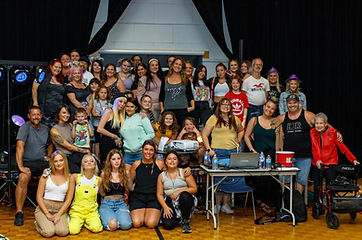


Learning Outcome 7:
Use Information Technologies to Facilitate and Support Adult Learning
Credits Requested: 4
Throughout my career, I have used information technology as a tool to extend the reach of adult learning beyond traditional treatment settings. My experience spans broadcast radio, video content creation, website development, and digital program support — always with the goal of making recovery education more accessible.
KSA 7.1 – Uses information technology to support and facilitate adult learning
I use information technology to support and facilitate adult learning through both video and audio platforms. I have my own Youtube channel and I also co-created and co-hosted Talk Recovery Vancouver, a weekly recovery-focused radio program on Vancouver Co-Op Radio. Through interviews with authors, politicians, counsellors, educators, etc, I used broadcast technology to deliver expert knowledge, translate complex recovery concepts, and extend learning to a wider audience through audio-based education.
The Candace Plattor interview demonstrates my use of broadcast technology to facilitate adult learning, using audio-based delivery to share expert knowledge, translate complex concepts, and make recovery education accessible to a wider audience.
KSA 7.2 – Selects appropriate technologies for the learning context
I select technologies based on the access, needs, and context of adult learners. At TSA, where many clients lacked smartphones or internet access, I used low-tech tools such as printed worksheets, whiteboards, and relevant Youtube video content to ensure learning remained accessible. This PLAR portfolio, built on Wix, also demonstrates my ability to choose appropriate technology, using a simple, organized, and accessible platform that I can manage independently.
Evidence: "Counsellor Carl" Youtube video, TSA Worksheets and this Wix PLAR Portfolio demonstrates selecting appropriate technology based on access, using low-tech tools when needed and digital platforms when appropriate.
KSA 7.3 – Supports learners in developing their own technology skills
At FRS, I supported learners in developing basic technology skills such as using email, Facebook, and accessing online services. I provided simple step-by-step guidance and one-on-one support, adapting to each person’s pace and confidence level. I found that building technology skills also supported confidence and independence.
Evidence: The FRS Participant Feedback Forms include examples of participants describing gains in confidence that extended to digital navigation, demonstrating that technology skill development was embedded in the broader empowerment goals of the program.
KSA 7.4 – Critically reflects on the role of technology in adult education
Technology can both help and create barriers in adult learning. In my work, many learners did not have access to devices, internet, or digital skills, so relying on technology could exclude them. At the same time, digital tools like YouTube allow learning to reach people who may not have access to other methods of learning, or may feel stigmatized about reaching out for help. I learned to use technology carefully, based on what works for the learner, not assume it always helps. Realizing this barrier is what inspired me to share more of my lived experince of addiction recovery on a Youtube channel.
Evidence: Frances Stone Youtube Channel


Learning Outcome 9: Communicate Effectively in Adult Learning Contexts
Credits Requested: 4
Throughout my career as an Addictions Counsellor at TSA, a Rehabilitation Worker at Coast Mental Health, and as a public speaker, radio co-host, and community advocate, I have consistently used healthy and effective communication skills to exchange information, thoughts and emotions with adult learners. My communication practice spans one-to-one counselling, group facilitation, broadcast media, public speaking, and written education materials.
KSA 9.1 – Describe effective communication in adult learning contexts
Adult learners in recovery have often experienced trauma, shame, and distrust, which impacts how they receive communication. I learned that effective communication in these settings requires creating safety, using clear and respectful language, and paying attention to non-verbal cues such as tone, facial expression, and body language. I focused on normalizing that healthy communication was a skill to be learned, and in building trust so learners felt safe to engage, ask questions, and participate. My communication was grounded in being consistent, non-judgmental, and responsive to each learner’s emotional state, which supported their ability to learn.
Evidence: Weekly topics and Feelings Wheel, which clients would use to identify their emotions.
KSA 9.2 – Use a variety of communication methods appropriate to adult learning contexts
In group sessions, I used a variety of communication methods including written exercises, visual diagrams, whiteboards, videos, and group discussion to support different learning styles. I also used visual tools such as calendars and program boards to track progress and reinforce engagement. I learned that participation increases when communication is varied, clear, and relevant to the learner.
Evidence: Picture of me teaching at a FRS/TWC free "Family Social" event
KSA 9.3 – Provide feedback that supports adult learner growth
When clients shared assignments in group sessions, I asked how they felt about their efforts, what they learned about themselves, and what relapse prevention choices they would make going forward. Feedback was a delicate balance of supporting and challenging: too gentle and clients would not grow; too challenging and they might leave treatment and return to an addictive lifestyle. I learned to ask the client’s consent before asking challenging questions, reminding them that addiction puts their life at risk and that I was challenging them because I was invested in their success. Through this experience I discovered the importance of autonomy, self-efficacy and personal responsibility for adult learners. It might sound strange, but the art of stand up comedy taught me a lot about how to communicate with people in a non-threatening, curious and empathetic way - and to always keep your sense of humour about life.
Evidence: This Mental Health Comedy Video demonstrates my ability to deliver difficult truths about poverty, trauma, addiction and recovery with empathy and humour, showing that I can provide feedback and challenge assumptions across very different public communication contexts.
KSA 9.4 – Communicate effectively in a variety of public and professional contexts
I have demonstrated effective communication through public speaking at stand-up comedy showcases, fundraising campaigns, advocacy work at City Hall, conducting radio interviews, and sharing my story of recovery in 12 Step Speaker Meetings for treatment centres and nonprofit organizations. All of these required organizing my thoughts, experiences and insights in a creative, efficient and effective way for diverse adult audiences. I learned that when a person discovers their gifts and talents, is relieved of shame, and inspired to help others, they can make a positive difference in the world. I feel a responsibility to continue to use this knowledge in fundraising, advocacy, writing and sharing my education and experience on my website and various social media platforms.
The MVA Alliance Housing Advocacy City Hall Meeting Video demonstrate my ability to communicate effectively in formal public contexts on behalf of marginalized adult learners — audiences far beyond the treatment room.


Learning Outcome 13: Display Ongoing Self and Professional Development
Credits Requested: 4
My ongoing self and professional development is integrated into every aspect of my life. I actively participate in an individual program of recovery for my personal growth, and I consistently pursue learning opportunities to reach my professional goals as a knowledgeable and effective Addictions Counsellor, Educator, Writer, and YouTube Creator. I believe that one cannot teach what one does not understand — and for that reason, my personal recovery and my
professional development are inseparable.
KSA 13.1 – Reflect on and evaluate own professional practice
As an educator, I believe it is important to practice what I preach and set an example for others seeking recovery from addiction, trauma and poverty. I am always seeking to expand my knowledge to achieve a healthy lifestyle, so I can share with adult learners that recovery is possible. This past year I have felt satisfaction and growth from reaching my personal health, financial, recovery, career and relationship goals. I have set clear goals in these areas for the year ahead, as well as goals to implement strategies to support my mental health and reach my educational goals.
My Professional Autobiography, and my Annotated Resume is the most comprehensive demonstration of ongoing self-reflection and professional evaluation, tracing the arc of my development from addiction and poverty to professional practice and academic study - included in portfolio.
KSA 13.2 – Engage in ongoing professional learning
I attend 12 Step meetings, recovery conferences, and read and listen to recovery-oriented podcasts, YouTube videos, and books. I am completing a set of 12 Steps with my sponsor. I have attended an Indigenous Women’s Empowerment Workshop, CACCF Intimate Partner Violence Workshop, CACCF Boundaries and Ethics Workshop, Writing Memoir Classes, Social Media Platform Building Workshops, and YouTube Workshops.
Evidence: CACCF 2026 Certification, ongoing CEUs required for personal & professional development
KSA 13.3 – Demonstrate commitment to self-care and professional sustainability
One cannot teach what they do not understand. For my addiction recovery, I attend 12 Step meetings, read recovery literature, talk honestly about my feelings, ask my support group for help, sponsor newcomers, and am completing the 12 Steps with my sponsor. For my mental health recovery, I attend weekly counselling sessions, journal, meditate, eat a healthy diet, exercise daily, prioritize sleep hygiene, and take medication as prescribed by my doctor. For my poverty recovery, I track, budget, save and invest my money. For my trauma recovery, I connect with spirituality through Indigenous cultural practices, spiritual readings and Christian teachings.
My Autobiography and Annotated Résumé documents the sustained range of self-care and professional sustainability practices I have maintained across more than a decade — demonstrating that sustainable professional practice in this field is inseparable from personal recovery.
Evidence: Annotated Résumé | Personal Autobiography: From Poverty to Purpose
KSA 13.4 – Set and pursue long-range professional development goals
My long-range professional development goals are to build my social media platforms — especially my YouTube channel — finish my second memoir, become a TED Talk speaker, develop programs and workshops for mothers in recovery from addiction through TWC, and complete my Bachelor of Arts in Adult Education. I may pursue a Master’s in Adult Education at StFx to continue to pursue my goal to provide accessible addiction recovery education.
The Frances Stone, Educator | Counsellor YouTube Channel and francesstone.ca website (links provided) demonstrate active and ongoing pursuit of long-range professional goals — showing that my commitment to recovery education extends well beyond any single organization or role.
Evidence: Frances Stone YouTube Channel: https://www.youtube.com/@francesstone.recovery
Frances Stone Website: https://www.francesstone.com/
KSA 13.5 – Demonstrate resilience and growth through personal and professional challenges
My life is my evidence. My personal lived experience of being a single mother in recovery from addiction, trauma and poverty and empowering myself to become a Certified Addictions Counsellor, author, radio host, and founder of a nonprofit organization, are evidence of my resilience, determination and hard work in reaching my goals. Every role I have held, every program I have built, and every credential I have earned has been achieved while navigating the ongoing work of recovery and the responsibilities of motherhood. I am proud of myself for getting this far, and am curious about how far I can go.
My memoir, "A Reflection of Love - A Different Kind of Love Story" provides the most direct evidence of personal resilience and growth. It is my self-published, self-authored account of my journey from addiction and poverty to purpose. My second memoir, due out in September 2026 "Mother in Recovery - A Spiritual Memoir" will help me continue to use my story and my life experiences to make a positive difference in the world around me.
Evidence: Memoir: A Reflection of Love LINK: https://www.francesstone.com/reflection-of-love
Thank you for your assessment of my portfolio,
Sincerely,
Frances Stone


